Acton Academy is not a Montessori school — but it borrows the best of Montessori and adds more. Both models trust children to direct their own learning in mixed-age classrooms, with hands-on materials and freedom of movement. Acton then layers on Socratic discussion, project-based Quests, and modern adaptive tools, and carries that independence all the way through the elementary and middle-school years.
Is Acton Academy a Montessori school?
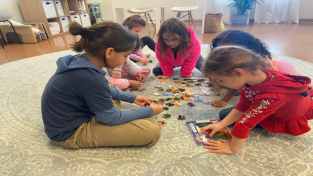
No. While we use the best of Montessori methods — mixed-age studios, student choice within limits, large blocks of uninterrupted work time, and learning through discovery — Acton is its own model. For our youngest learners (ages 5–7), we lean heavily on proven Montessori materials and routines. As learners grow, the experience shifts toward the Socratic method, real-world projects, and self-paced mastery.
What do Acton and Montessori have in common?
A lot, and it's the part that matters most to parents leaving traditional school behind:
- Child-led learning — the adult guides; the child does the work.
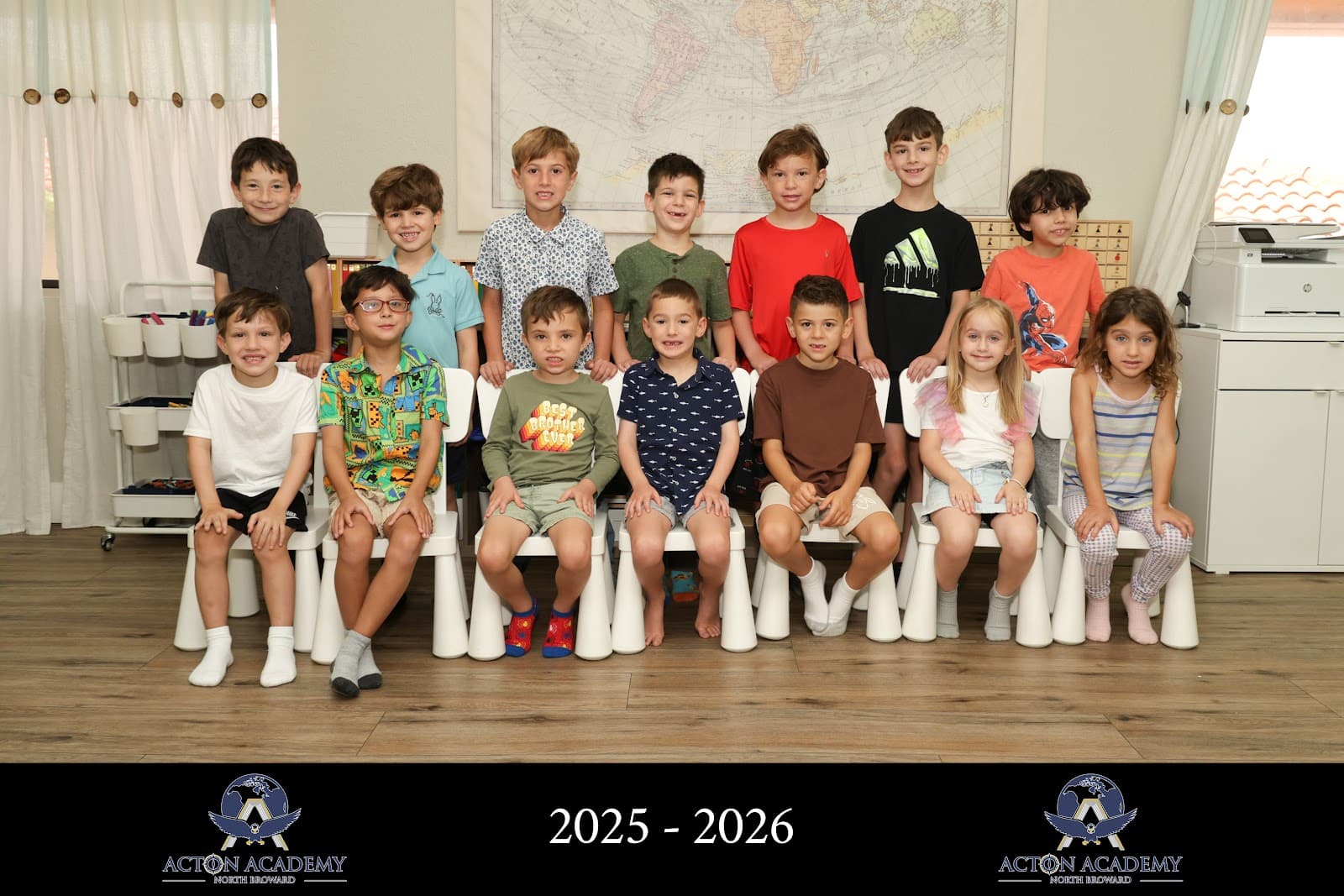
- Mixed-age classrooms — older learners mentor younger ones, and everyone advances at their own pace.
- Hands-on discovery — children learn by doing, not by sitting and listening.
- Respect for the child — independence and responsibility are expected, not earned back later.
If you love the Montessori philosophy, you'll recognize its spirit the moment you walk into a studio. Read more about how we approach learning.
Where does Acton differ from Montessori?
- The Socratic method. Guides don't answer questions — they ask better ones. Learners reason through hard questions together in daily discussions.
- Project-based Quests. Learning is organized around real-world challenges (launching a business, building a habitat, running an election) rather than only individual materials work.
- Modern tools. Adaptive software handles core-skills practice in math and reading — about 45–60 minutes a day — freeing the rest of the day for projects and discussion.
- Age range and structure. Many Montessori programs concentrate on early childhood; Acton's learner-driven model is built to carry a child through the elementary and middle-school years.
You can see how we handle a common question — "is this a Montessori school?" — and others on our FAQ.
Which is right for my child?
Both models suit a curious, self-directed child far better than a traditional classroom does. Choose Montessori if you want a classic, materials-centered early-childhood environment. Choose Acton if you want that same child-led foundation plus Socratic dialogue, real-world projects, and a path that grows with your child. The best way to know is to see a studio in action.