Deliberate practice is intentional repetition at the edge of one's ability, paired with feedback, reflection, and a clear goal. Rather than doing a task once and moving on, learners at Acton slow down and focus on small, specific improvements until they truly master a skill. It's the same process professional musicians, athletes, and master craftsmen rely on, and at Acton it's one of the most important ingredients on the path to mastery.
If you've ever watched your child repeat the same math problem, reread the same sentence, or redo the same piece of art, you may have witnessed something powerful… something that looks simple on the outside but is quietly transformational on the inside.
It's called deliberate practice, and at Acton, it's one of the most important ingredients in the journey toward mastery.
Most of us grew up practicing things the old-fashioned way: do the worksheet, turn it in, get a grade, move on. Whether we truly understood the material didn't matter as much as finishing the assignment.
Deliberate practice flips that script.
Instead of doing a task once and calling it "good enough," learners at Acton slow down, focus on small, specific improvements, and work purposefully at the edge of their abilities. It's not about repetition for repetition's sake; it's about intentional repetition, paired with feedback, reflection, and a clear goal.
What does deliberate practice look like at Acton?
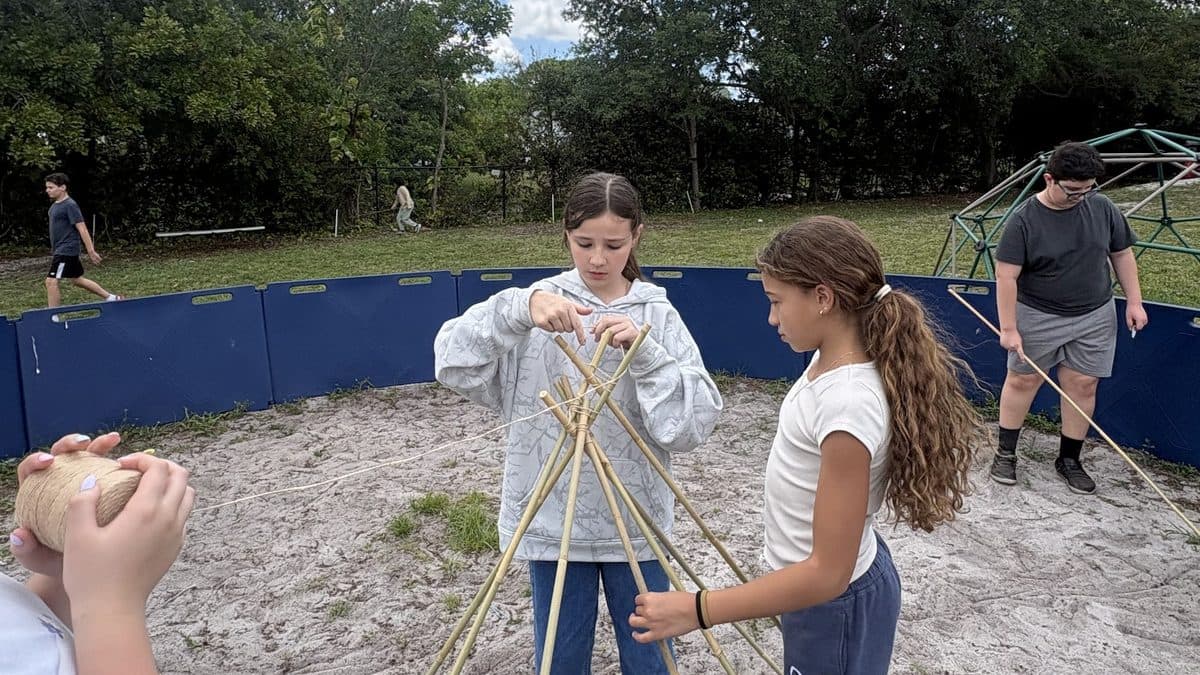
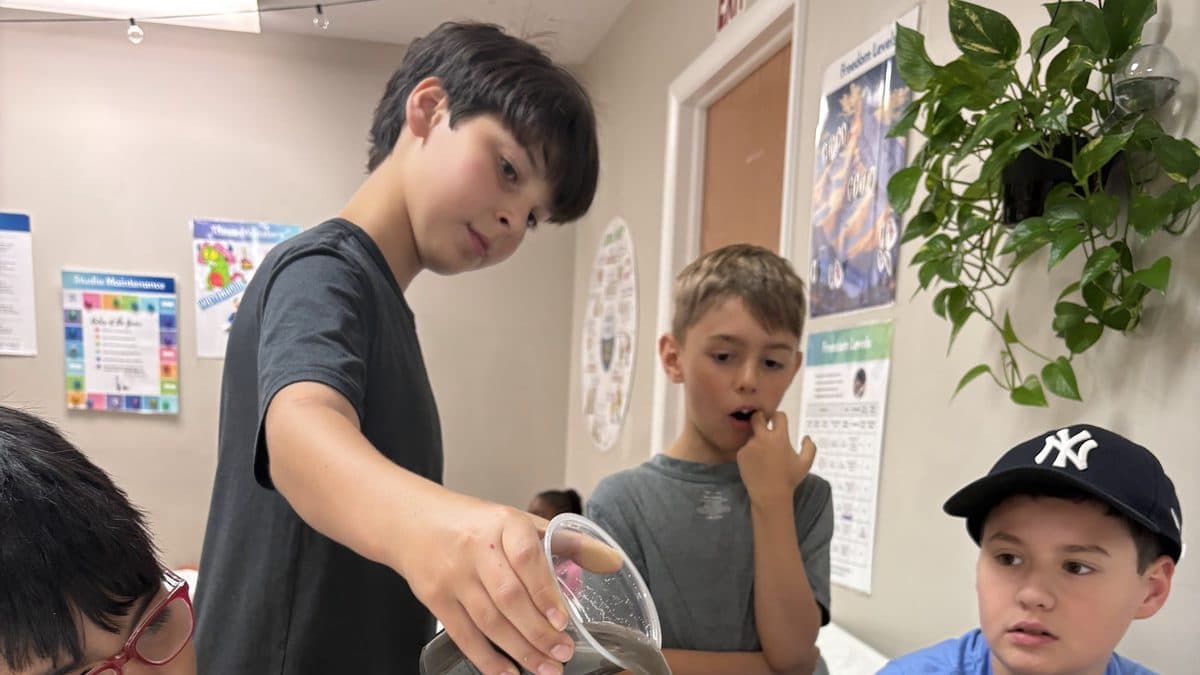
One morning in our Discovery Studio (elementary studio), a learner was working on a challenging math skill. She wasn't stuck because she didn't understand the concept — she was stuck because she wanted to master it. She tried a problem, checked her work, found the mistake, and tried again. Over and over. For nearly 40 minutes she hovered right at that uncomfortable edge where frustration meets determination.
And then, suddenly: "YES! I got it!" That spark, that jolt of joy, wasn't from completing an assignment. It was from experiencing growth.
That's the heart of deliberate practice.
Professional musicians, elite athletes, master craftsmen all rely on this same process. They break skills into parts, focus on improving one tiny thing at a time, and push themselves just a little past their comfort zone. Acton learners do the very same, whether they're writing essays, solving equations, or rehearsing for the next Exhibition.
How can parents support deliberate practice?
For parents, deliberate practice can feel slow. We want progress to be quick and visible. But real learning — the kind that builds confidence, competence, and character — takes shape in these quiet moments when a learner chooses to stay with a challenge rather than step away from it.
If your child says they spent "a long time on one thing today," celebrate it. That's not inefficiency, it's intention. It means they cared enough to improve, to correct, and to try again. Over time, this habit shapes heroes who understand that mastery isn't an endpoint: it's a lifestyle.
Deliberate practice is where grit is strengthened, where resilience is built, and where young people learn that excellence is not a talent: it's a choice. The way we name that effort matters too, which is why we lean on growth mindset praise to keep learners reaching.